THE SOUL OF RESISTANCE
Capoeira is a breathtaking Afro-Brazilian martial art that seamlessly blends dance, acrobatics, and combat, born from the struggle for freedom.
A STORY OF SURVIVAL
Capoeira emerged in Brazil in the 16th century among enslaved Africans. As slave owners prohibited any form of self-defense, these resilient practitioners disguised their fighting techniques as a rhythmic dance.
Today, it stands as a global symbol of Brazilian culture and UNESCO Intangible Cultural Heritage. A dialogue of motion, rhythm, and respect.
BASIC MOVEMENTS
FLOW
GINGA
GINGA
The rhythmic foundation. A swaying footwork that establishes flow and deception.
ATTACK
QUEIXADA
QUEIXADA
Meaning 'jaw strike'. A crescent kick performed by crossing the legs in a powerful arc.
ATTACK
ARMADA
ARMADA
A signature spinning kick. Generating massive centrifugal force for a strike.
ATTACK
COMPASSO
COMPASSO
A signature spinning kick. The practitioner places one or both hands on the ground for stability while swinging the rear leg in a powerful 360-degree arc.
ATTACK
PARAFUSO
PARAFUSO
An advanced aerial spinning kick. The practitioner jumps into the air, performing a horizontal 360-degree rotation (corkscrew) before landing.
DEFENSE
ESQUIVA BAIXA
ESQUIVA BAIXA
A low escape movement. Dropping the center of gravity while protecting the face to evade high attacks.
DEFENSE
COCORINHA
COCORINHA
A fundamental defense. A low squat where the practitioner drops down to dodge high attacks.
DEFENSE
ESQUIVA LATERAL
ESQUIVA LATERAL
A fundamental side escape. Shifting the body laterally to evade strikes while maintaining a strong base.
THE MUSIC OF CAPOEIRA
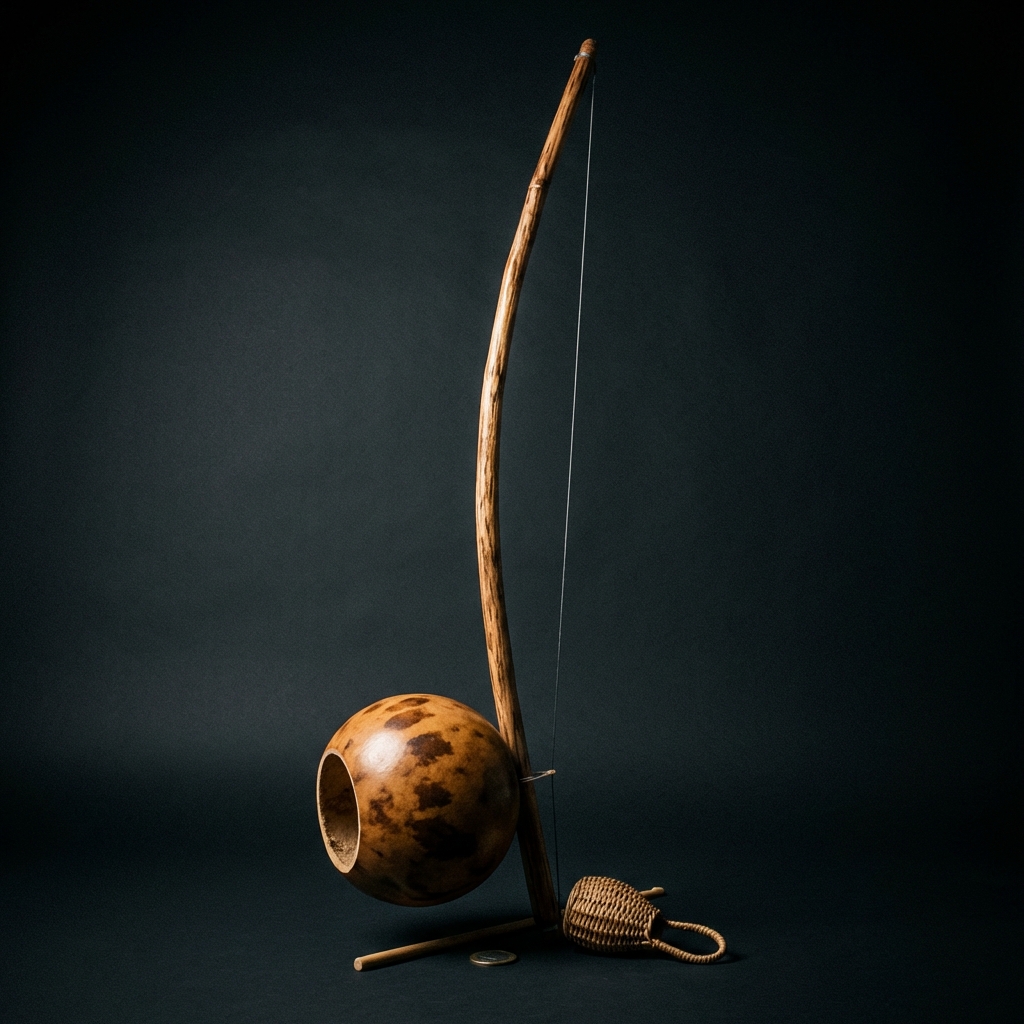
The Command
Berimbau
Berimbau
The most essential instrument in Capoeira, a single-string percussion bow.
The Berimbau commands the roda, dictating the style of play, the speed of the game, and the energy of the participants. It is the soul of Capoeira.
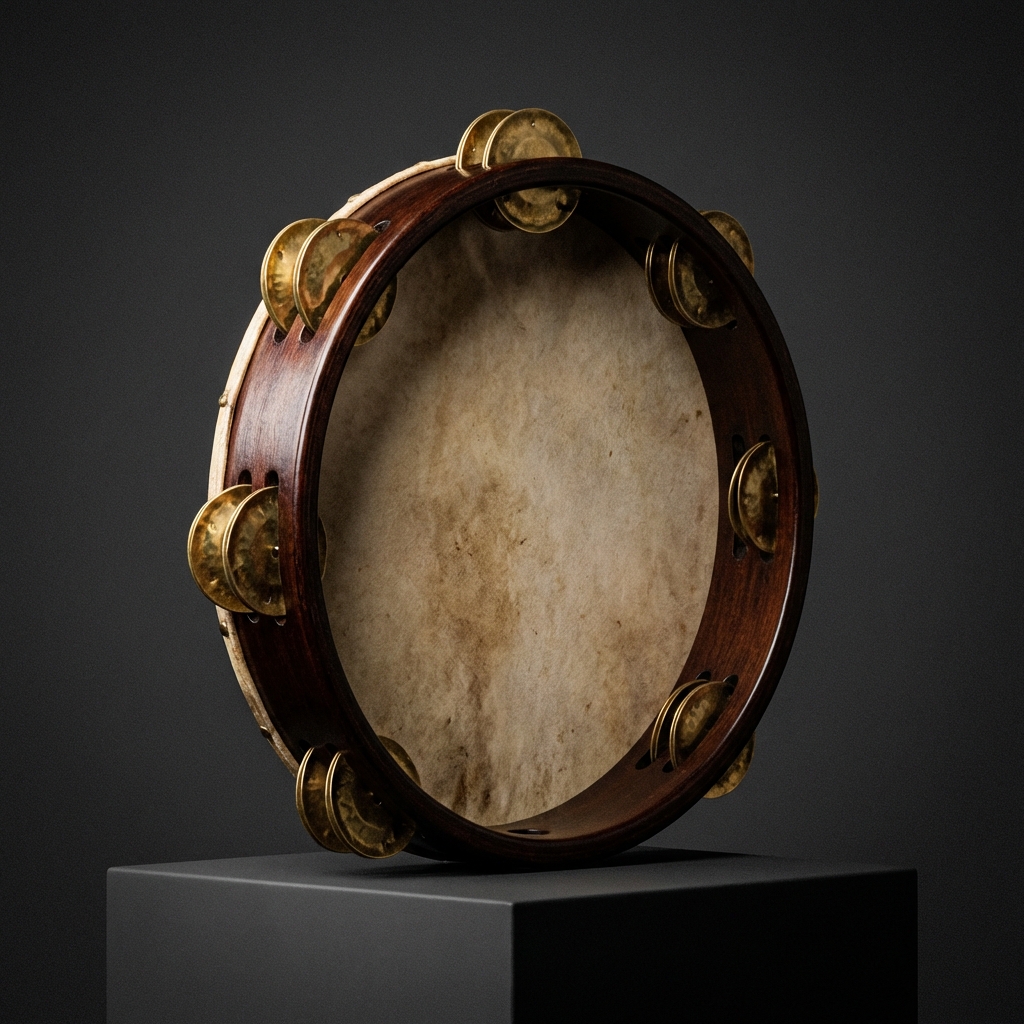
The Pulse
Pandeiro
Pandeiro
A hand frame drum with jingles, originating from East Africa.
The Pandeiro adds texture and accents to the rhythm. It supports the Berimbau and helps to keep the energy high and the beat steady.
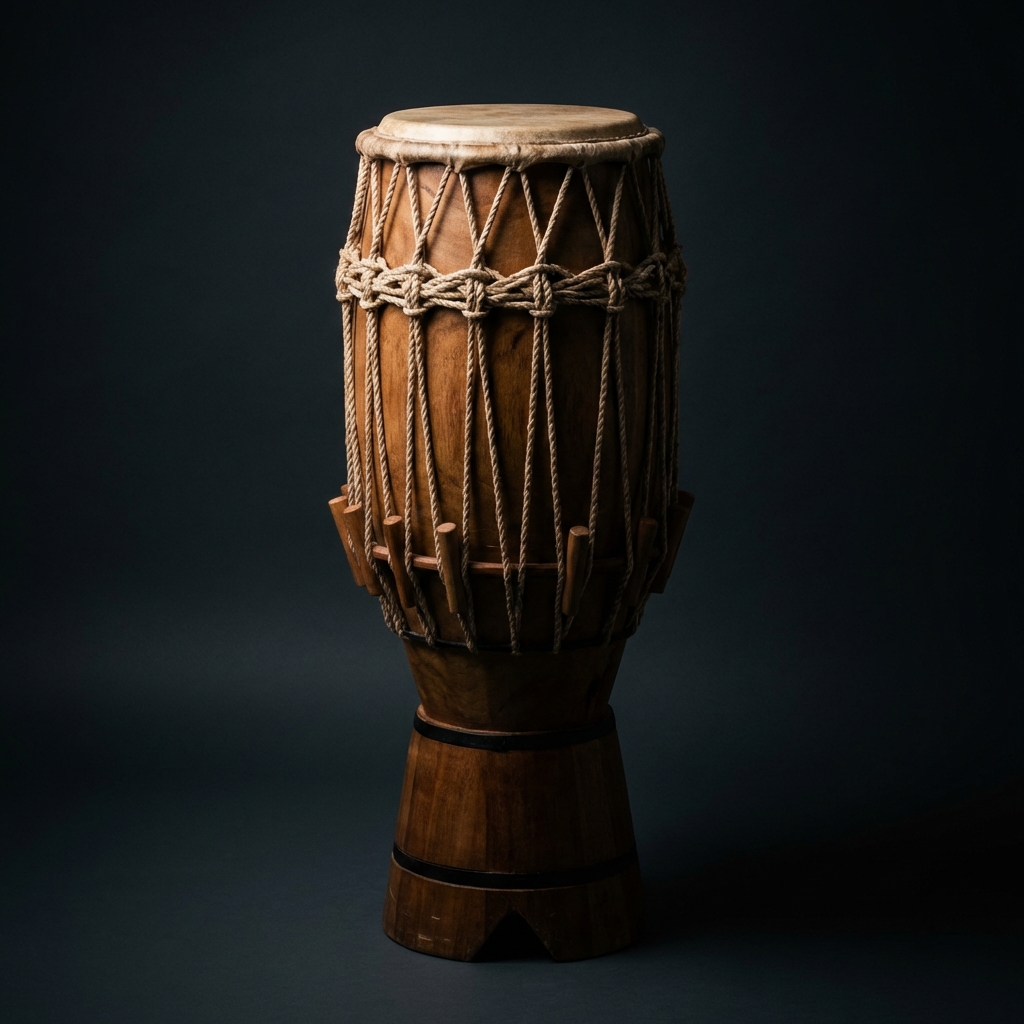
The Heartbeat
Atabaque
Atabaque
A tall wooden hand drum that keeps the steady rhythm.
The Atabaque provides the deep, resonant heartbeat of the roda. It grounds the rhythm and maintains the tempo, ensuring the music stays consistent.
GRADUAÇÃO ADULT PROGRESSION
The graduation system follows a rhythmic progression of colored cords (cordas), symbolizing the practitioner's growth from a new student to a master.
VERDE
LEVEL 1
Forest and vitality.
ALUNO
LEVEL 2
Balanced growth.
AMARELA
LEVEL 3
Apprenticeship.
GRADUADO
LEVEL 4
Advanced skills.
MONITOR
LEVEL 5
Guiding others.
INSTRUTOR
LEVEL 6
Master of foundation.
PROFESSOR
LEVEL 7
Expert of art.
CONTRA MESTRE
LEVEL 8
Master-in-training.
MESTRE 1
LEVEL 9
Full potential.
MESTRE 2
LEVEL 10
Wisdom.
MESTRE 3
LEVEL 11
Ultimate purity.
GRÃO MESTRE
LEVEL 12
The diamond.
TRADITIONS & IDENTITY
A RODA
The circle where Capoeira comes alive. It is a microcosm of the world, fueled by live music, singing, and the physical dialogue between two players.
O BATIZADO
The formal initiation for new students. An annual celebration where beginners receive their first cord by playing with a Mestre.
TROCA DE CORDAS
The 'changing of belts' marks a student's transition to a new level, signifying growth in technique and dedication.
APELIDOS
Capoeira nicknames are given based on personality, physical traits, or funny incidents, marking one's unique identity in the roda.
OUR ANCESTRY
The Roots
"Enslaved Africans in Brazil develop Capoeira as a tool for survival and cultural preservation, disguised as a dance."
The Prohibition
"Capoeira is officially banned in Brazil. Practitioners continue in secret, using nicknames (apelidos) to avoid police detection."
Mestre Bimba
"Mestre Bimba opens the first Capoeira school, "Centro de Cultura Física Regional," marking the birth of Capoeira Regional and legalization of Capoeira for the first time in history."
Mestre Pastinha
"Mestre Pastinha creates the "Centro Esportivo de Capoeira Angola," preserving the traditional, playful, and philosophical style."
Global Heritage
"Capoeira is recognized by UNESCO as Intangible Cultural Heritage, practiced by millions across the globe."